


_
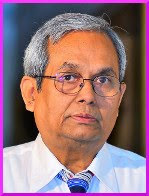
 The top news of today's The Toronto Star reveals
Bangladesh President Sheikh Mujibur Rahman's
assassin Nur Chowdhury (left) loose and free
in Toronto, Canada
Above image courtesy: The Toronto Star (Feb. 16, 2011)
It was early morning of August 15, 1975. In the midst of long-lasting adverse effect of the 1974 famine in Bangladesh, widespread grievances among people due to total centralization of power by banning all opposition political parties, extensive corruption in and chaotic mismanagement by government departments, and unbridled cronyism, a group of young army officers took advantage of the situation and killed Sheikh Mujibur Rahman and most of the members of his family.
When other officers were hesitating to kill the President in his residence, it was Lt. Colonel Nur Chowdhury (also known as Noor Chowdhury) who went forward and killed the unarmed President with his submachine gun at point-blank range.
This mini coup changed the government. The new government, headed by Sheikh Mujibur Rahman's own foreign minister Khondakar Mustaq Ahmad, with the Indemnity Law, shielded these army officers from being prosecuted of any wrongdoing and rewarded them with lucrative positions in different Bangladesh embassies abroad.
Until Sheikh Hasina Wazed came to power as the Prime Minister of Bangladesh in 1996, now other previous governments tried these killers of the President and his family. She recalled these killers home from their embassy positions, but some did not do so. At the time, Nur Chowdhury was posted in Hong Kong and instead of returning to Bangladesh, he and wife flew to Canada and later sought asylum as refugees.
In the Bangladesh trial, Nur Chowdhury and eleven others were convicted and sentenced to death in April, 2001. Since then, the government of Bangladesh has been requesting Canada to extradite him but Canada refused to do so on the grounds that Canadian laws do not support death penalty. Unless Bangladesh changes death penalty to life imprisonment, Canada can't send him back to his country, although Nur Chowdhury's request for asylum has been rejected by the government of Canada.
Nur Chowdhury is living his life free in Canada in his own condominium. Canadian laws will protect him from being sent to his country to die.
When other officers were hesitating to kill the President in his residence, it was Lt. Colonel Nur Chowdhury (also known as Noor Chowdhury) who went forward and killed the unarmed President with his submachine gun at point-blank range.
This mini coup changed the government. The new government, headed by Sheikh Mujibur Rahman's own foreign minister Khondakar Mustaq Ahmad, with the Indemnity Law, shielded these army officers from being prosecuted of any wrongdoing and rewarded them with lucrative positions in different Bangladesh embassies abroad.
Until Sheikh Hasina Wazed came to power as the Prime Minister of Bangladesh in 1996, now other previous governments tried these killers of the President and his family. She recalled these killers home from their embassy positions, but some did not do so. At the time, Nur Chowdhury was posted in Hong Kong and instead of returning to Bangladesh, he and wife flew to Canada and later sought asylum as refugees.
In the Bangladesh trial, Nur Chowdhury and eleven others were convicted and sentenced to death in April, 2001. Since then, the government of Bangladesh has been requesting Canada to extradite him but Canada refused to do so on the grounds that Canadian laws do not support death penalty. Unless Bangladesh changes death penalty to life imprisonment, Canada can't send him back to his country, although Nur Chowdhury's request for asylum has been rejected by the government of Canada.
Nur Chowdhury is living his life free in Canada in his own condominium. Canadian laws will protect him from being sent to his country to die.


