
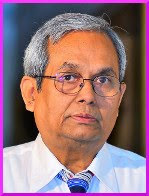


- Thomas Ashish Bepari (1952 - 1971):
 Thomas Ashish Bepari, belonging to the Anglican Church, was born in Barisal town in 1952.
In 1971, he was a college student doing Intermediate studies. After the March 25 West Pakistani army crackdown on the Bangalis, he decided to do something for his homeland. In June, he went to India with his friend Arunesh Pandey, who after the independence, became an Anglican minister with the name 'Father Francis Pandey'.
First they went to Bongaon of West Bengal, India, and got themselves registered for guerrilla training. Then they went to Toki Camp where they had a month-long training. From there they were sent to Chakunia Camp in Bihar State for commando training. He had a wish to work under Major M. A. Jalil in Sector No. 9, but his wish was not fulfilled. He was selected for a small group of commandos to work under the Muktibahini camp at Shyampur Village under Bakerganj Thana. The West Pakistani soldiers through their spies had already come to know of the oncoming operation plan of this commando group. The soldiers were prepared to finish the group.
Thomas Ashish Bepari and his group reached Shyampur at night. One local political leader, who was also a school headmaster, gave leadership of this muktibahini (liberation forces) camp. Considering security risks, Thomas Ashish Bepari expressed his disagreement with the plan of letting all the commandos spend the night in one single house, but, out of respect for the camp leader, he did not press for it.
It was November 22, 1971. West Pakistani soldiers made a pre-dawn preemptive strike on the muktibahini camp. The sleeping commandos were caught unaware. As they had reached the camp at night, they were not familiar with the locality. Yet they tried to fight it out, but were surrounded by the enemy. At one point, Ashish's overheated gun did not work and he was ordered to surrender.
Thomas Ashish Bepari was seized and taken to the West Pakistani army camp. After torturing, he was killed. His corpse was never found.
The Oxford Mission School at Barisal commemorate the death of this brave muktijuddha (freedom fighter) every year. Students are told and retold the events of the Bangladesh War of Independence of 1971.
- Porimol Drong (1952 - 1971):
Porimol Drong, a Roman Catholic belonging to the Garo (Mandi) ethnic group, was born in 1952 at Monikura Village of Haluaghat Thana in the then Mymensingh District. He was an accomplished football player in his school.
In 1971, he as an S.S.C. (Grade 10) examinee. After March 25, 1971 West Pakistani army crackdown, Kudrat Ullah Mondol, a local member of the provincial parliament and an organizer of muktibahini (liberation forces), and Promode Mankin, the first Garo headmaster of Biroidakuni Catholic High School (later an Awami League M.P.) inspired young men to join the muktibahini. Porimol Drong and other Garo boys went to India for guerrilla training.
After a month-long training at Tura town of the Meghalaya State, India, he was sent for operations in the Sector No. 11, where Hamidullah Khan was the Sector Commander. In June, 1971, Porimol participated in the operation on the Nagla Bridge under the leadership of Company Commander Abdul Gafur. By the end of June, they did operations at Kashiganj under Nokla Thana. As their ammunitions were depleted, they had to make a retreat. At the village of Ramnagar, Porimol Drong was captured by the local Rajakars (West Pakistani army-sponsored paramilitary forces of collaborating Bangalis). He was handed over to the enemy soldiers, who tortured him with blades, razors and bayonets for a number of days and shot him to death on the bank of the Kongsho River in Fulpur Thana.
After the independence, one market at Maddhyabazar in Haluaghat Thana has been named after Porimol Drong. The Shaheed Minar (martyr's memorial) at Biroidakuni Catholic High School is dedicated to him as well. In memory of this muktijuddha, Garo students at the Kanchijhuli Students' Hostel in Mymensingh annually organize the 'Shaheed Muktijuddha Porimol Drong Football Tournament'.
Christians in Bangladesh are proud to be an integral part of the Bangladesh War of Independence. They are proud of being the citizens of this 'Golden Bengal'.
In 1971, he as an S.S.C. (Grade 10) examinee. After March 25, 1971 West Pakistani army crackdown, Kudrat Ullah Mondol, a local member of the provincial parliament and an organizer of muktibahini (liberation forces), and Promode Mankin, the first Garo headmaster of Biroidakuni Catholic High School (later an Awami League M.P.) inspired young men to join the muktibahini. Porimol Drong and other Garo boys went to India for guerrilla training.
After a month-long training at Tura town of the Meghalaya State, India, he was sent for operations in the Sector No. 11, where Hamidullah Khan was the Sector Commander. In June, 1971, Porimol participated in the operation on the Nagla Bridge under the leadership of Company Commander Abdul Gafur. By the end of June, they did operations at Kashiganj under Nokla Thana. As their ammunitions were depleted, they had to make a retreat. At the village of Ramnagar, Porimol Drong was captured by the local Rajakars (West Pakistani army-sponsored paramilitary forces of collaborating Bangalis). He was handed over to the enemy soldiers, who tortured him with blades, razors and bayonets for a number of days and shot him to death on the bank of the Kongsho River in Fulpur Thana.
After the independence, one market at Maddhyabazar in Haluaghat Thana has been named after Porimol Drong. The Shaheed Minar (martyr's memorial) at Biroidakuni Catholic High School is dedicated to him as well. In memory of this muktijuddha, Garo students at the Kanchijhuli Students' Hostel in Mymensingh annually organize the 'Shaheed Muktijuddha Porimol Drong Football Tournament'.
Christians in Bangladesh are proud to be an integral part of the Bangladesh War of Independence. They are proud of being the citizens of this 'Golden Bengal'.
Photo Courtesy: Muktijuddhe Amra: Christander Obodan, edited by Sunil Pereira et al, (Dhaka: Pratibeshi Prakashani, 1995).


